 Contact
 Intranet
 SK
SK







NASA mission POEMMA-Balloon with Radio
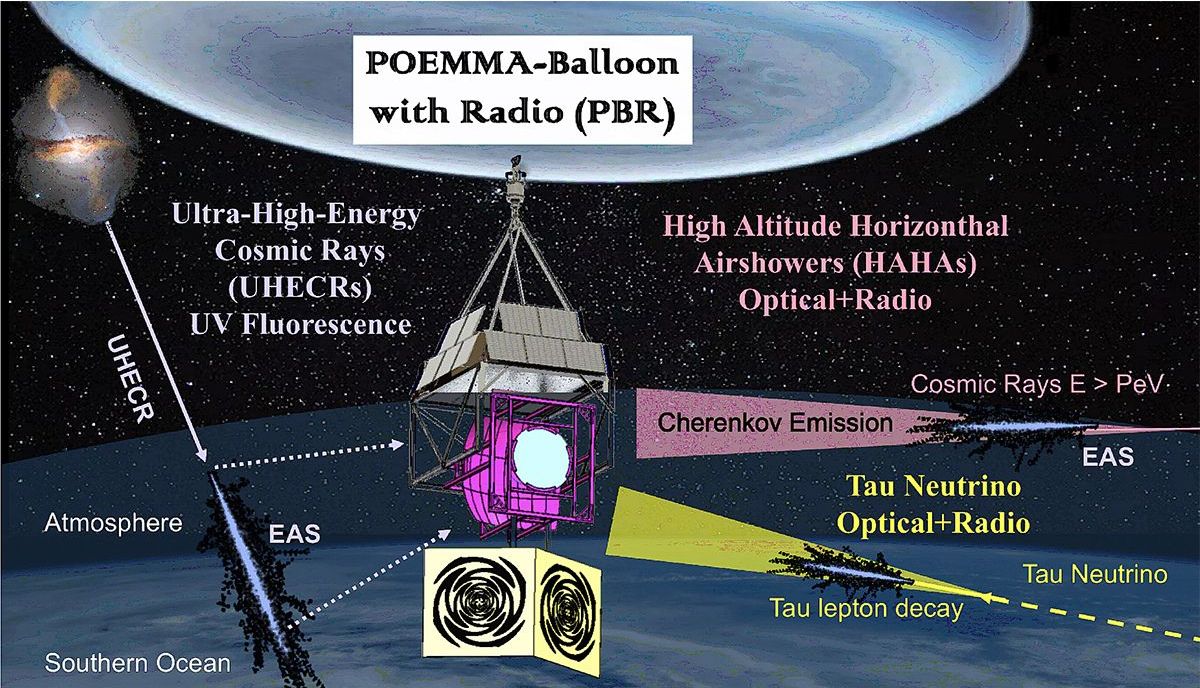
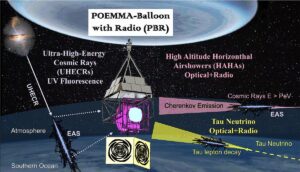
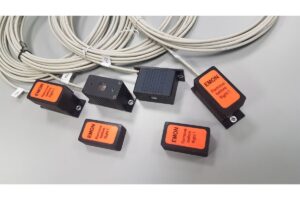
Institute of Experimental Physics SAS is involved in international collaboration on preparation of the PBR (POEMMA-Balloon with Radio) mission. Four highly sensitive EMON detectors have been developed for the main telescope, which will ensure monitoring of light conditions during the flight of a NASA stratospheric balloon.
“The planned space mission POEMMA (Probe Of Extreme Multi-Messenger Astrophysics) aims to observe from Earth’s orbit the most energetic particles that exist in the universe. One of the important steps for this mission is the technological testing of critical instruments, which will be carried out during the stratospheric flight of the PBR mission. It is a great honor for us to participate in this unique mission, which has the potential to deliver groundbreaking discoveries,” said space physicist Šimon Mackovjak.
The planned PBR mission is expected to launch in March 2027, from the balloon facility in Wanaka, New Zealand. It will be a stratospheric balloon flight, operated by NASA, which is intended to remain at an altitude of 30 km for approximately 100 days. During this time, it will use a highly sensitive optical telescope and a radio antenna to detect energetic air showers in the atmosphere caused by ultra-high-energy cosmic ray particles. Aboard the PBR mission will be also detectors developed in Košice at the Department of Space Physics of the Institute of Experimental Physics SAS. Specifically the EMON detectors, which will monitor the light conditions in the main optical telescope.
“The main requirements we received from our colleagues in the USA were reliability and miniaturization of our instruments. Therefore, we designed the EMON detectors to withstand extreme conditions (temperatures down to −50 °C and pressure at the level of one-thousandth of atmospheric pressure), while also allowing them to be properly integrated into the main telescope. This enabled us to develop a solution that our collaborators highly appreciated,” stated Igor Strhárský and Ján Baláž, who designed, constructed, and tested the measuring instruments in the laboratory at the Department of Space Physics of the Institute of Experimental Physics SAS.
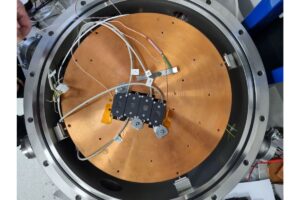
EMON detects light conditions with high sensitivity at the level of 50 pW/cm². It operates independently thanks to its own software and automatic heating. Last week, four units were sent to Naples (Italy) for integration into the fluorescence telescope of the PBR mission. In the upcoming months, testing of the entire apparatus will take place, and by the end of the year it is scheduled to be transported to New Zealand.
Original article HERE